

Can Artificial Sweeteners Harm Your Health? New Study Raises Concerns
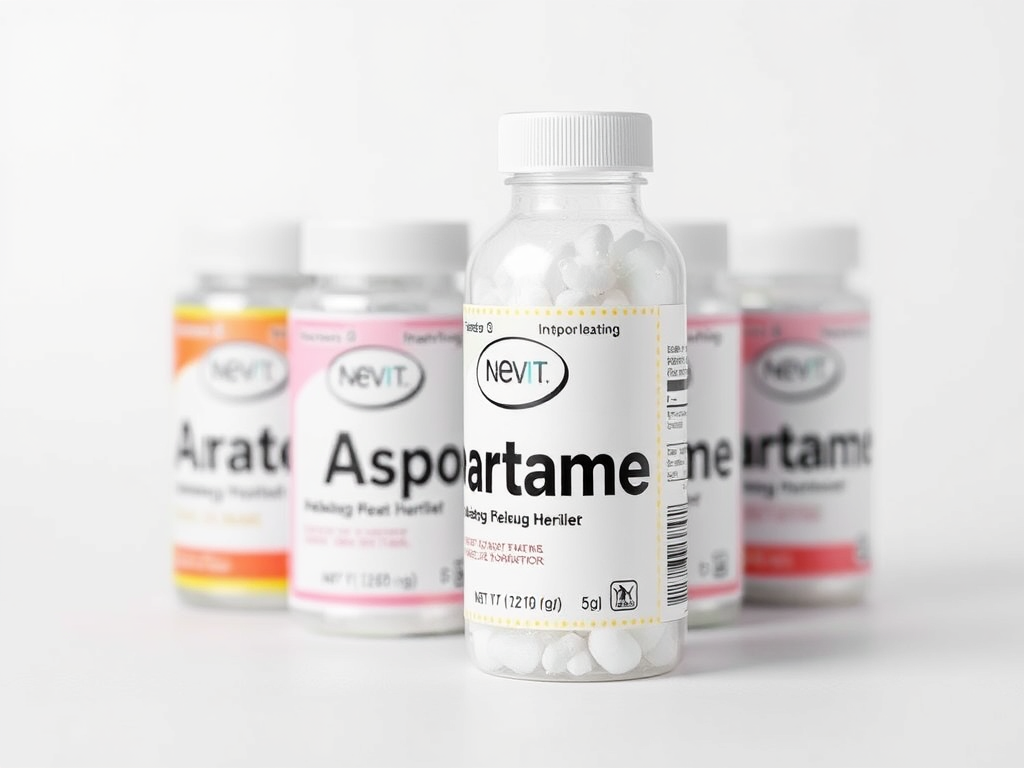
Artificial sweeteners have been a popular alternative to sugar for decades, often marketed as a healthier option for weight management and diabetes control. However, a recent study published in Cell Metabolism suggests that aspartame, one of the most widely used artificial sweeteners, may have unintended health risks.
The study found that aspartame can trigger insulin spikes, leading to inflammation in blood vessels—a condition linked to heart disease and strokes. These findings add to the ongoing debate about the safety of artificial sweeteners in our daily diets.
What is Aspartame and Where is It Found?
Aspartame is an artificial sweetener that is 200 times sweeter than sugar and is commonly used in:
- Diet sodas and sugar-free drinks
- Sugar-free gum and candies
- Low-calorie desserts
- Processed foods labeled as “diet” or “light”
While aspartame is FDA-approved and generally considered safe in moderation, new research suggests potential risks that warrant further investigation.
Key Findings: How Aspartame Affects the Body
1. Insulin Spikes
Researchers found that aspartame consumption leads to a rapid increase in insulin levels, similar to what happens when consuming sugar. Elevated insulin levels can contribute to insulin resistance, a key factor in type 2 diabetes.
2. Blood Vessel Inflammation
The study found that increased insulin levels activate an immune signal called CX3CL1, which triggers inflammation in blood vessels. Chronic inflammation is a leading cause of cardiovascular disease, strokes, and high blood pressure.
3. Potential Risk of Atherosclerosis
Mice that consumed aspartame developed fatty plaque buildup in their arteries, a condition known as atherosclerosis, which increases the risk of heart attacks and strokes.
How Reliable Are These Findings?
The study was conducted on mice, meaning further human research is needed to confirm the effects of aspartame on blood vessel health. However, these findings suggest a potential risk that should not be ignored.
Expert Opinions
🔹 Dr. Yihai Cao, the study’s lead researcher, emphasized the importance of further studies:
“Artificial sweeteners are widely used in food, but we need more research to fully understand their long-term effects.”
🔹 On the other hand, some experts, like Professor Oliver Jones from RMIT University, argue that human studies have not shown the same risks, and more evidence is needed before making definitive conclusions.
Should You Avoid Artificial Sweeteners?
While artificial sweeteners like aspartame are generally recognized as safe, moderation is key. Here are some steps to reduce potential risks:
✅ Limit Diet Soda & Sugar-Free Products – Opt for water, herbal teas, or naturally sweetened drinks instead.
✅ Check Food Labels – Avoid excessive consumption of processed foods with artificial sweeteners.
✅ Try Natural Alternatives – Consider honey, stevia, or monk fruit sweeteners as healthier options.
✅ Monitor Blood Sugar & Heart Health – If you have diabetes or heart disease, consult a healthcare professional about the best dietary choices for you.
Final Thoughts: What This Means for Consumers
This study raises important questions about the long-term safety of artificial sweeteners like aspartame. While more human research is needed, the potential link between insulin spikes, inflammation, and heart disease highlights the importance of consuming sweeteners in moderation.
🔗 Related Articles:
- Are Artificial Sweeteners Safe? What Science Says
- How to Reduce Sugar Without Using Artificial Sweeteners
- The Best Natural Sweeteners for a Healthy Diet
💬 What do you think? Have you experienced any health effects from artificial sweeteners? Share your thoughts in the comments below!
Leave a Reply