

ADHD Linked to Reduced Life Expectancy: What You Need to Know
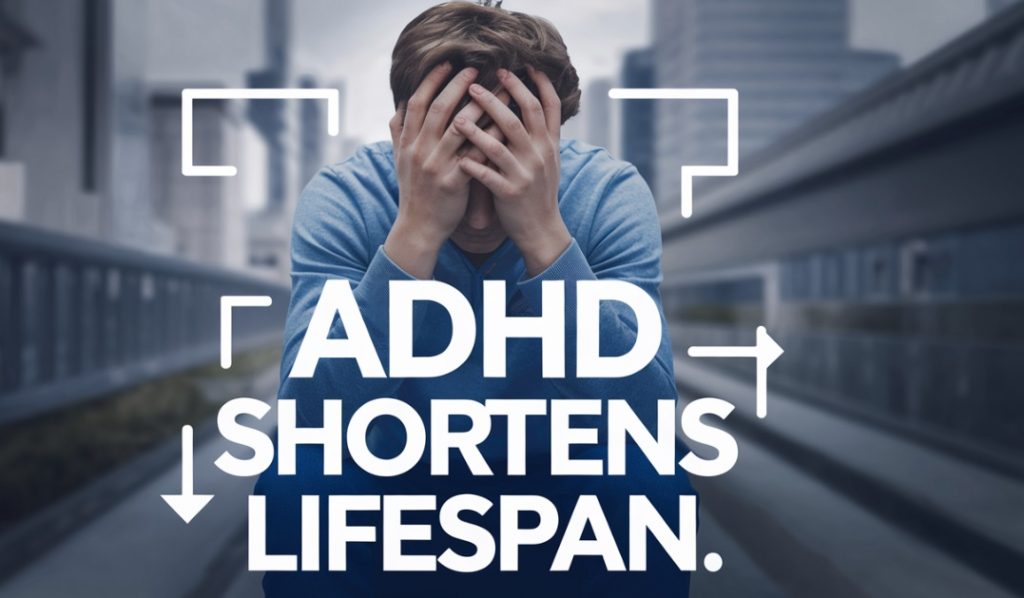
Attention-deficit hyperactivity disorder (ADHD) is often associated with difficulties in focus, impulsivity, and hyperactivity. However, new research suggests that ADHD can also have a serious impact on life expectancy.
A study published in The British Journal of Psychiatry found that adults diagnosed with ADHD may live 6.78 years less (men) and 8.64 years less (women) than those without ADHD. This shocking revelation highlights the need for better diagnosis, treatment, and lifestyle adjustments to improve health outcomes.
How Does ADHD Affect Physical and Mental Health?
ADHD is not just a behavioral or academic challenge; it can have long-term consequences for both physical and mental health. Some key factors include:
- Higher Risk of Cardiovascular Disease – ADHD is associated with increased stress levels and unhealthy lifestyle habits that may contribute to heart disease.
- Substance Misuse – Individuals with ADHD are more likely to engage in smoking, excessive alcohol consumption, and drug use.
- Increased Risk of Accidents and Injuries – Impulsivity and inattention can lead to a higher likelihood of car accidents, falls, and other injuries.
- Mental Health Challenges – Many individuals with ADHD also experience depression, anxiety, and suicidal tendencies, further impacting their overall well-being.
What Causes the Reduction in Life Expectancy?
The study suggests that the shortened lifespan of individuals with ADHD is linked to several modifiable factors:
1. Co-Existing Health Conditions
People with ADHD often suffer from additional health problems, including obesity, diabetes, and sleep disorders, which can negatively impact longevity.
2. Unhealthy Lifestyle Choices
ADHD is linked to poor dietary habits, lack of exercise, and increased use of harmful substances such as nicotine and alcohol.
3. Social and Economic Struggles
ADHD can lead to unemployment, financial instability, and even homelessness, which reduces access to healthcare and essential resources.
4. Higher Risk-Taking Behavior
Impulsivity may contribute to reckless behavior, leading to increased chances of accidents and injuries.
How to Improve Health Outcomes for People with ADHD
While these statistics may seem alarming, there are effective ways to improve the quality of life and longevity for individuals with ADHD:
✅ Early Diagnosis and Treatment
- Seeking professional help at an early stage can lead to better management strategies.
- Treatment options may include behavioral therapy, medication, and lifestyle changes.
✅ Healthier Lifestyle Habits
- Regular exercise and a balanced diet can help manage symptoms and reduce associated health risks.
- Avoiding smoking, alcohol, and drugs can significantly improve life expectancy.
✅ Better Mental Health Support
- Therapy and counseling can help address anxiety, depression, and emotional struggles.
- Support groups and ADHD communities can provide encouragement and guidance.
✅ Improved Social and Economic Support
- Workplace accommodations and educational resources can help individuals succeed in their careers.
- Government and non-profit programs can assist with healthcare and financial stability.
Final Thoughts: ADHD Management Can Lead to a Healthier Life
ADHD is a complex condition that extends beyond focus and attention issues. However, with the right support, individuals with ADHD can lead fulfilling and healthy lives. By addressing risk factors early, making positive lifestyle changes, and seeking professional help, it is possible to improve both quality and length of life.
🔗 Related Articles:
- What is ADHD? Symptoms, Causes, and Treatment
- Mental Health and ADHD: How to Cope
- Healthy Habits to Improve ADHD Symptoms
💬 What do you think? Have you or someone you know been affected by ADHD? Share your thoughts in the comments below!
Leave a Reply